
-
-
Published on
21/01/2026
by Any Business.Com.Au
Buying a Supermarket: Is It Really Something Everyday Buyers Can Do?
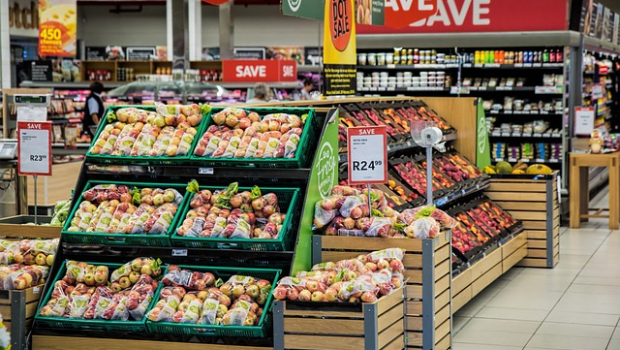
For many people, owning a supermarket sounds like something reserved for big corporations, massive investors or multinational chains. But in reality, thousands of independent and franchised supermarkets across Australia are owned by everyday business people, families and small investment groups.
The question isn't so much can you buy a supermarket, it's whether you understand what you're buying and how to do it properly.
The short answer is yes: buying a supermarket is absolutely achievable. But it's not a passive or simple investment, and it's very different from buying a café, takeaway shop or small retail store. It's a serious business with moving parts, thin margins, strong cash flow and significant operational demands.
Let's walk through what supermarket ownership really looks like, what buyers should look for and how the buying process typically works.
First Things First: What Kind of Supermarket Are We Talking About?
Not all supermarkets are created equal. Some are independent IGA-style stores, some are franchised or banner group stores, some are small neighbourhood grocers, and others are large regional or suburban full-line supermarkets. The scale of the business has a huge impact on the complexity, capital required and day-to-day workload.
Smaller supermarkets can sometimes be bought for similar money to a busy café or restaurant, while larger stores can involve multi-million-dollar transactions, significant stock holdings and dozens of staff.
This means supermarket ownership isn't a single "type" of business, it's a spectrum. The key is matching the size and complexity of the store to your experience, capital and appetite for hands-on management.
Is It Actually a Good Business?
Supermarkets are generally high-turnover, low-margin businesses. That sounds scary until you understand what it means. The margins on individual products are often small, but the volume of sales is huge and consistent. People buy groceries every week, regardless of the economy, interest rates or consumer confidence.
That makes supermarkets some of the most stable retail businesses you can own. Cash flow is typically strong and predictable, and well-run stores can produce very solid profits for owner-operators.
However, success depends heavily on:
- Buying well
- Controlling costs tightly
- Managing stock, waste and shrinkage
- Running staff efficiently
- Understanding pricing and promotions
A supermarket is not a "set and forget" business. It rewards operators who are organised, detail-oriented and operationally strong.
What Do You Actually Buy When You Buy a Supermarket?
When you purchase a supermarket, you're not buying the building (unless it's included separately). You're usually buying:
- The business goodwill
- The plant and equipment (fridges, freezers, shelving, POS systems)
- The stock (either included or paid separately at stocktake)
- The right to trade under a certain brand or banner group
- The lease to the premises
The lease is critically important. Rent, lease term, options and rent review clauses can make or break the profitability of the business.
What Should Buyers Look For?
This is where due diligence really matters.
The first thing to understand is the true profitability of the store. Supermarkets can look very busy but still be poorly run. You need to examine:
- Actual net profit (not just sales turnover)
- Wages as a percentage of sales
- Rent as a percentage of sales
- Gross margin
- Stock levels and stock control
- Waste, theft and write-offs
You also need to look at:
- The condition and age of equipment (fridges and freezers are expensive)
- The competitive landscape (New supermarkets nearby? Price pressure?)
- The local demographics and growth potential
- The lease terms and landlord relationship
- Whether the store is under-managed or already optimised
Some of the best opportunities come from supermarkets that are run passively or inefficiently and could be improved with better systems and hands-on ownership.
Do You Need Experience to Buy One?
Experience helps, a lot, but it's not always essential.
Many successful supermarket owners start by:
- Buying a smaller store first
- Partnering with an experienced operator
- Employing a strong store manager
- Or buying into a franchise or banner group that provides systems and support
If you don't have retail or supermarket experience, it's critical to be honest about this and factor management costs and learning curves into your numbers.
How Does the Buying Process Work?
The process usually looks like this:
First, you find a suitable business through a broker or industry contact.
Then you:
- Review high-level financials
- Sign a confidentiality agreement
- Conduct deeper due diligence with your accountant and lawyer
- Review the lease and franchise/banner agreements (if applicable)
- Secure finance approval
- Negotiate terms and sign contracts
- Complete a stocktake on settlement
Banks generally understand supermarkets and are often willing to lend against well-run stores, especially if the numbers stack up and the lease is solid.
Is It "Easy"?
It's not easy in the sense of being simple or passive. But it is accessible.
If you have:
- Sufficient capital or borrowing capacity
- A willingness to work in the business (especially at first)
- Good systems and discipline
- The right advice around the purchase
These can make buying a supermarket absolutely achievable and extremely rewarding.
The Reality: A Business, Not a Lottery Ticket
Supermarket ownership can provide:
- Strong, consistent income
- Long-term business value
- A family business opportunity
- Stability that many other retail businesses can't offer
But it comes with:
- Long hours
- High responsibility
- Constant operational focus
- Tight margins that punish sloppy management
For the right buyer, though, it can be one of the most dependable and scalable businesses in the retail world.
So…Should You Consider It?
If you're looking for a serious, real business with real cash flow, not a lifestyle café or a speculative venture, a supermarket can be a very smart acquisition.
The key is to buy the right store, in the right location, at the right price, with the right lease.
If you're ready to get your search under way, start here.

Related articles
-
 01/10/2026 by AnyBusiness.com.auIf you are looking to buy an established small business in Australia right now, the most interesting opportunities may not necessarily be the businesses that are attracting the ... Read more
 -
 16/09/2026 by AnyBusiness.com.auRunning a small business can sometimes feel like everything depends on one thing.One major customer. One core product. One service. One location. One sales channel.When that par... Read more
 -
 09/09/2026 by Reinbeck FinanceEquipment finance is a specialised form of commercial credit designed to fund tangible assets—such as machinery, vehicles, and technology—without exhausting a business's operati... Read more